Top 15 Study Abroad Destinations in 2026 | Best Countries & Costs Guide
Your Ultimate Checklist Before You Go to Study MBBS Abroad in 2026
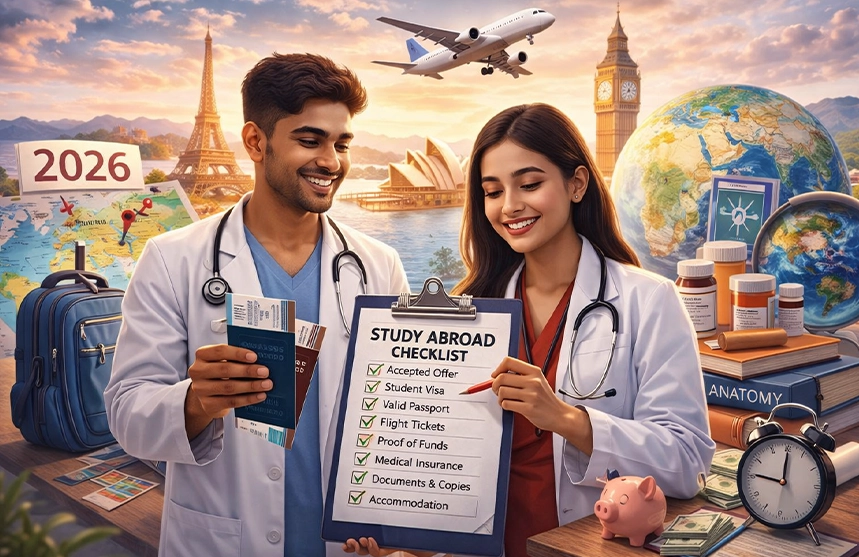
It’s time!
The day you have been waiting for your whole life is here. You are all set to pursue your dream to be a doctor as you have secured an admission to a top medical university abroad. However, as the clock is ticking and the final goodbyes are due, you are stuck with one main question, What All Should I Pack to Study MBBS Abroad in 2026?
Leaving your own country and comfort behind, you will now be living in an unknown country. With no idea of how much would be too much and what exactly do you need to pack, today, in this blog, we are going to share a step-by-step guide on what all you must take with you as you fly to Study MBBS Abroad in 2026. So, without further delays, let’s get to the point.
2026 MBBS Abroad Pre-departure Checklist
Now that you know you’re flying soon, let’s break everything down category-wise. This way, you won’t overpack, under-pack, or panic-pack for that matter.
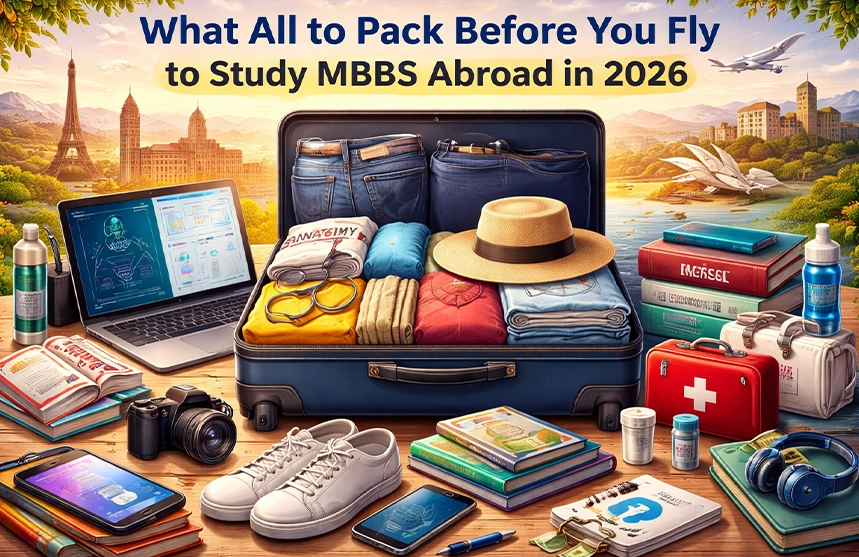
1. Documents (Carry in Hand Luggage Only)
Before anything else, understand this clearly—documents are your lifeline. Without them, nothing moves.
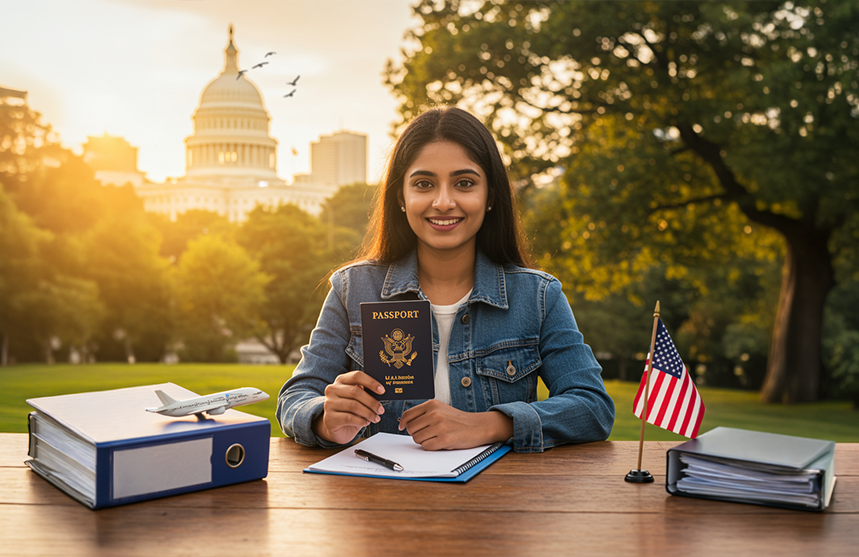
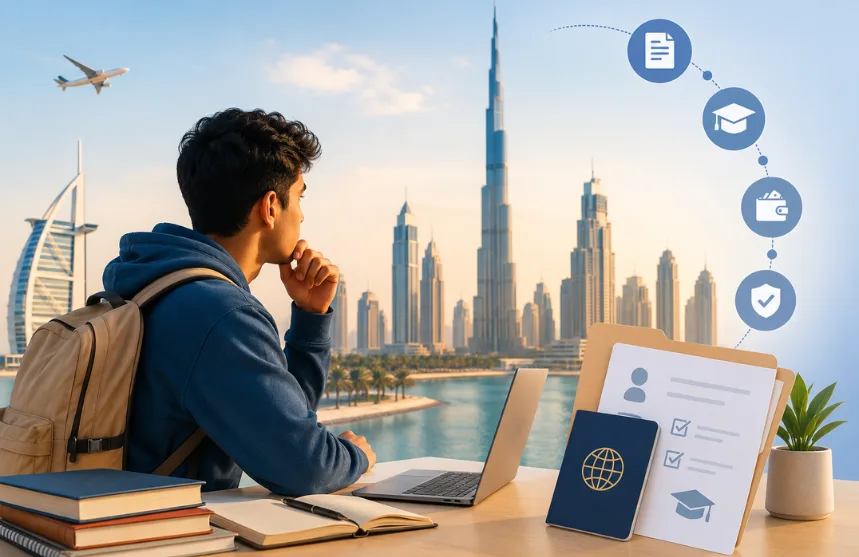
You must carry these in your cabin baggage, neatly arranged in a waterproof folder:
- Passport (minimum 2+ years validity)
- Student Visa/e-Visa approval
- University admission letter
- NEET scorecard
- 10th and 12th marksheets & certificates
- Birth certificate
- Travel insurance
- Hostel/accommodation letter
- Fee payment receipts
- Flight tickets
- 15-20 passport-size photographs (white background)
- Keep 2-3 photocopy sets separately in your check-in luggage as backup.
If you are planning to return to Indian and practise medicine later under guidelines set by the National Medical Commission (NMC), preserving your academic documents from Day 1 is extremely important.
Also, scan every document and save it on Google Drive and email it to yourself.
2. Medical Essentials
You are going to Study Medicine, but that does not mean you won’t fall sick.
Climate change, new water, different food, and stress can affect your body initially.
Carry:
- Personal prescription medicines (minimum 2-3 months)
- Doctor’s written prescription (in English)
- Basic fever tablets
- Cold and cough medicines
- Stomach upset tablets
- ORS sachets
- Multivitamins
- Small first-aid kit
Do not carry excessive medicines. Just enough for the first few months until you understand local pharmacies.
3. Electronics You Actually Need
Let’s be practical. MBBS today is digital.
From anatomy atlases to recorded lectures and global research references, everything is online. You may even refer to global medical updates by the World Health Organisation during your studies.
Pack:
- Laptop (compulsory)
- Laptop charger
- Smartphone
- Universal power adapter
- Extension cord
- Power bank
- Headphones
- External hard drive (optional but useful)
Avoid packing unnecessary gadgets. Focus on tools that support academics.
4. Clothes: Pack Smart, Not Emotional
This is where most students overdo things.
Remember—you are relocating for education, not shifting your entire wardrobe.
Pack:
- 4-5 daily wear outfits
- 2-3 formal outfits (presentations, seminars)
- Comfortable jeans/trousers
- Undergarments for 10-14 days
- Nightwear
- Sportswear (if you plan to stay active)
- Comfortable walking shoes (very important)
- Slippers
If you are travelling to colder countries like Russia or Georgia, carry:
- Thermals
- Gloves
- Scarf
- Light woollens
Heavy winter jackets can often be bought locally as they are designed for extreme weather.
Do not overpack. You can always shop later or get a care package from home.
5. Financial Preparation
Money management is your first step towards independence.
Before flying, ensure:
- Forex card is activated
- International debit/credit card enabled
- Some local currency cash
- A small amount in USD
- Fee payment receipts printed
- Bank details saved safely
If you are heading to destinations like Kazakhstan, Kyrgyzstan or the Philippines, understand basic currency conversion and ATM access beforehand.
Never keep all your money in one place. Divide and secure it.
6. Basic Toiletries & Personal Care
Carry travel-size essentials for the first month:
- Toothbrush and toothpaste
- Shampoo & conditioner
- Soap/body wash
- Deodorant
- Moisturiser (especially for cold regions)
- Nail cutter
- Basic grooming kit
- Sanitary essentials (if required)
Avoid carrying large bottles. You can easily purchase products abroad.
7. Food & Kitchen (Minimal & Sensible)
Yes, food matters. The first few weeks may feel unfamiliar.
You may carry:
- Ready-to-eat packets
- Instant noodles
- Energy bars
- Tea/coffee sachets
- Small quantity of basic spices
Avoid heavy utensils, pressure cookers, or bulk grocery stock. Most countries now have Indian stores, especially in Popular MBBS Destination.
Start Packing the Right Things with MApply Checklist
As you zip up your suitcase, pause, and appreciate how far you’ve come. Choosing to study MBBS abroad is more than an academic move, it is a life-changing decision. You’re stepping beyond your comfort zone and closer to the doctor you aspire to become.
Packing wisely ensures your first weeks abroad are organised and stress-free. The right documents, essentials, and mindset help you begin with clarity and confidence.
But Studying MBBS Abroad starts long before departure; from selecting the right country and university to managing documentation and visas as per guidelines set by the National Medical Commission. That’s where MApply supports you at every step, ensuring you’re prepared, informed, and confident.
Pack smart, plan well, and trust your journey.
Your white coat dream begins now.
Frequently Asked Questions
You should carry essential documents in hand luggage, including passport, visa, admission letter, and academic certificates. Pack basic medicines, a laptop, universal adapter, limited clothing, toiletries, some foreign currency, and important financial documents. Travel light but stay organised and prepared.
You should start planning your packing at least 3-4 weeks before departure. Begin with buying essentials, checking luggage limits, and organising documents. Actual packing should ideally begin 7-10 days before your flight to avoid last-minute stress or forgetting important items.
Do not pack excessive clothes, heavy utensils, expensive jewellery, too many shoes, large appliances, or unnecessary gadgets. Avoid carrying restricted medicines or too much cash. Most items are easily available abroad, so pack practical essentials instead of overloading luggage.
You should buy a good laptop, universal power adapter, travel-size toiletries, basic medicines, appropriate seasonal clothing, a sturdy backpack, and luggage locks. Also arrange forex cards and international debit/credit cards before departure for smooth financial transactions abroad.
Start by calculating tuition fees, accommodation, food, transparent, insurance, and personal expenses. Track monthly spending, use student discounts, avoid unnecessary purchases, and maintain emergency savings. Planning your finances in advance helps you live independently without financial stress.
Related Blogs