
Why Study in Albania in 2026?
How Much Does Studying Abroad Really Cost Indian Students?

For many Indian students, studying abroad begins as a dream, shaped by global universities, international careers, and a future without borders. But very quickly, that dream meets a practical, unavoidable question: How much will it cost?
The cost of studying abroad is often discussed in fragments. Tuition fees are mentioned, rent is estimated, and scholarships are hoped for. What is rarely explained is the complete financial picture, or how those costs connect to long-term value and return.
This blog breaks down the real Cost of Studying Abroad for Indian Students, not just in numbers, but in context; so, families can plan with clarity, confidence, and purpose.
The Big Picture: What Studying Abroad Really Costs
Before going into details, it is important to understand the broad financial range. Studying Abroad is not a single price tag; it depends on destination, course, lifestyle, and planning.
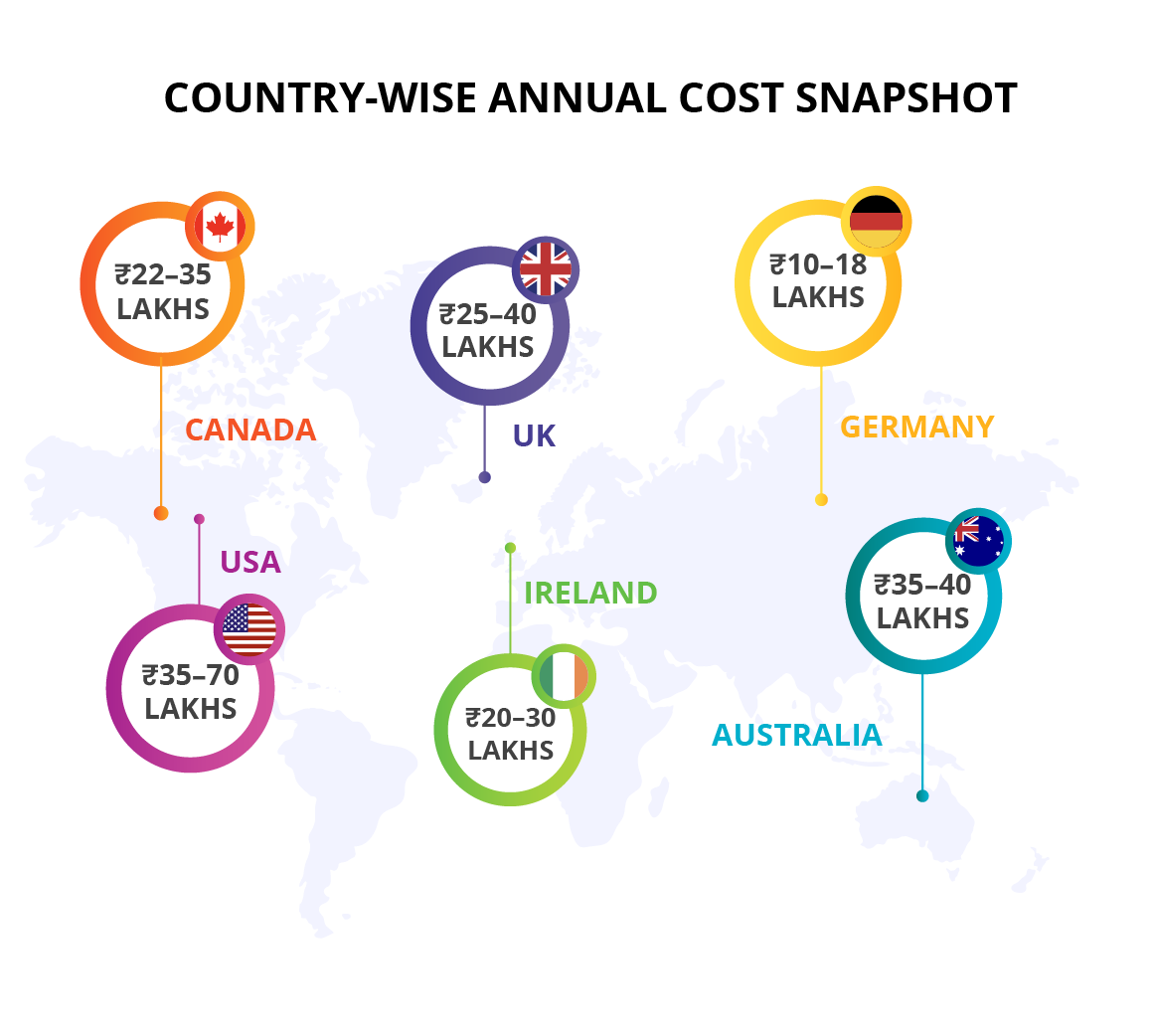
Most Indian students typically spend:
- ₹15–25 lakhs per year in affordable destinations such as Germany or parts of Europe
- ₹25–40 lakhs per year in countries like the UK, Canada, and Australia
- ₹40–70 lakhs per year in the USA, depending on university and location
These figures usually include tuition fees and basic living expenses but exclude personal spending and emergencies. You can manage your get assistance for the financial services with MetaFinance.
Tuition Fees: The Core Academic Cost
Tuition fees form the largest portion of the overall expense. They vary significantly based on the country, university reputation, course level, and field of study.
On average, annual tuition fees for Indian students range as follows:
- UK: ₹15–30 lakhs
- USA: ₹25–45 lakhs
- Canada: ₹12–25 lakhs
- Australia: ₹20–35 lakhs
- Ireland: ₹10–25 lakhs
- Germany: ₹0–8 lakhs (mainly public universities)
While countries like Germany appear extremely affordable, students must still factor in proof of funds, blocked accounts, and living expenses. Lower tuition does not always mean lower overall cost; it simply redistributes where the money goes.
Cost of Living: The Day-to-Day Reality Abroad
Living expenses define a student’s everyday experience. These costs depend heavily on the city, accommodation choice, and lifestyle habits.
Typically, monthly living costs include rent, food, transport, utilities, and personal expenses. On average, Indian students spend:
- UK: ₹80,000–₹1.2 lakhs
- USA: ₹1–1.5 lakhs
- Canada: ₹80,000–₹1.1 lakhs
- Australia: ₹1–1.3 lakhs
- Germany: ₹70,000–₹90,000
Choosing a student-friendly city instead of a capital city can reduce overall expenses by several lakhs across the duration of the degree.
Accommodation: Where Students Spend the Most Outside Tuition
Accommodation alone can account for up to 40 per cent of monthly expenses. Most students start with university-provided housing and later move to shared accommodation.
Common accommodation options include:
- University halls of residence
- Private student housing
- Shared apartments with other students
- Limited homestay options
Monthly rent generally ranges between ₹35,000 and ₹80,000, depending on location and housing type. Early booking and informed choices can significantly reduce this burden. Learn more about the best options to stay abroad with MetaStay.
Visa, Application and Travel Costs
These are unavoidable, upfront expenses that must be planned well in advance. Although they are one-time costs, they often arrive all at once.
Students should budget for:
- University application fees
- Student visa and biometric charges
- Medical tests and documentation
- One-way airfare to the destination country
Together, these expenses can range from ₹1–2 lakhs before the course even begins.
Health Insurance and Mandatory Charges
Most countries require international students to have health insurance or pay a healthcare surcharge. This is not optional and is directly linked to visa approval.
Typical annual health-related costs include:
- UK healthcare surcharge
- Mandatory insurance in Canada, Australia, and Europe
- Additional private coverage in some countries
Depending on the destination, this can add ₹30,000–₹80,000 per year to the total cost. Get the best deals for your insurance with MetaInsure.
Academic Materials and Course-Related Expenses
Beyond tuition, students also spend on course-related requirements. These vary depending on the discipline.
Common academic expenses include:
- Books and study materials
- Software licences and lab access
- Equipment for specialised courses
While digital resources have reduced costs, students should still budget ₹50,000–₹1 lakh annually for academic needs.
Part-Time Work: Support, not a Solution
Many Indian students rely on part-time work to manage living expenses. Most popular study destinations allow international students to work limited hours during term time.
Key points to understand:
- Part-time income can help cover daily expenses
- It should not be relied upon for tuition fees
- Academic performance must always remain the priority
When managed wisely, part-time work can reduce financial pressure while offering valuable international work experience.
Hidden Costs That Are Often Ignored
Some costs are rarely discussed but inevitably arise during a student’s journey abroad.
These include:
- Currency exchange fluctuations
- Initial settlement expenses
- Seasonal clothing, especially winter wear
- Emergency or medical costs
- Graduation and administrative fees
Over the full course duration, these can add several lakhs if not planned for early.
Is Studying Abroad Worth the Cost? Understanding Return on Investment
The true value of studying abroad lies beyond the immediate expense. International education often leads to:
- Higher global employability
- Access to international job markets
- Better long-term earning potential
- Career mobility across countries
For many students, the financial investment is recovered within a few years of post-study employment, especially in high-demand fields.
How Indian Students Can Plan Smarter and Spend Less
Cost reduction does not mean compromise. It means making informed decisions.
Smart planning includes:
- Selecting the right country and city
- Applying early for scholarships
- Choosing career-focused courses
- Balancing tuition costs with living expenses
- Seeking professional guidance
The right guidance often makes the biggest financial difference.
Smart Management of Costs can Help Secure Your Future
Studying abroad is a serious financial commitment. But for students who plan wisely, it is also a powerful investment in skills, exposure, and long-term growth.
The cost is real, but so is the opportunity to build a future without borders.
*Note: All prices mentioned are approximate values. Students should check official government websites or the respective university websites for exact figures.
Your Study Abroad Journey with MetaApply IE
At MetaApply IE, we offer expert counselling to help you find the right course, college, and destination. Our team supports you throughout the process, from application submission to securing financial aid and preparing for visa interviews. We ensure that every detail is taken care of, making your journey smooth and hassle-free.
We also have TestPrep and Career Counselling, and our expert counsellors take care of all your study abroad needs.
If you feel like you can make a difference and believe that studying abroad or pursuing your education overseas is the ideal choice, MetaApply IE is here to guide you.
Fill in the form to start your study abroad journey.
Frequently Asked Questions
It typically ranges between ₹15–40 lakhs per year, depending on the destination and course.
Germany and some European countries are among the most affordable due to low tuition fees.
Part-time work helps with living costs but should not be relied upon for tuition fees.
Scholarships can reduce tuition fees but are usually partial and competitive.
Yes, for students who choose the right course and country, it offers strong career and earning potential.
Related Blogs