Your Ultimate Checklist Before You Fly to Study Abroad in 2026
Your Ultimate Checklist Before You Fly to Study Abroad in 2026

Soon, you will be packing your entire life here in two suitcases to fly and study abroad. The dream you have always wanted to bring to life is now coming true. While the experience is an exciting one, it is also wholly overwhelming at the same time. In order to accomplish your study abroad dream, you will be leaving behind your family, friends, comfort, and home. As the thought may scare you initially, do not forget that after a while, when it will result in success, the cost of it all would be worthy.
Now, as your time of departure to your dream study abroad country is coming close, today, we are here to help you with your ultimate checklist. Until now, with us, you have cleared your study abroad journey step-by-step knowing exactly what to do and when to do so. So today, in this blog, we are here with your ultimate checklist before you fly to Study Abroad in 2026. These are your quick steps that will ensure you pack right for your abroad adventure and don’t forget anything important behind. Here’s exactly what you must pack, prepare, and double-check before you fly.
1. Start with Your Documents—They are Your Lifeline
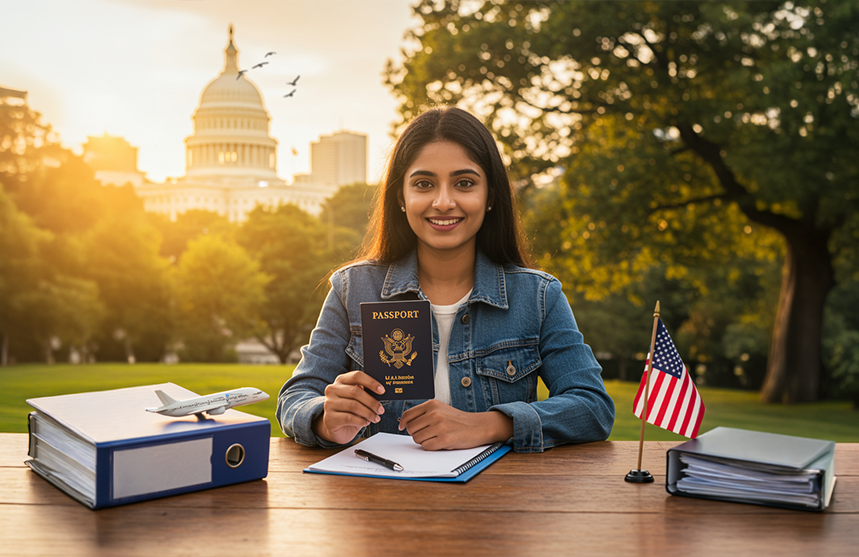
Before you think about clothes or gadgets, gather your essential documents. Without these, you won’t even board your flight, let alone enter your dream study destination.
You must carry:
- Your passport (valid for at least 6-12 months beyond your stay)
- Your Student Visa or study permit
- Your university offer or acceptance letter
- Confirmation of enrolment documents (such as CAS, I-20, or equivalent)
- Academic transcripts and certificate
- Proof of accommodation
- Flight tickets and travel itinerary
- Travel and health insurance documents
- Financial proof (bank statements or sponsor letters)
You should also keep:
- At least two photocopies of each document
- Digital copies stored securely in cloud storage
- A USB drive backup
Keep all original documents in your cabin bag—never in checked luggage. If airport authorities or immigration officers request any paperwork, you need immediate access.
2. Pack Smart: Don’t Pack Your Whole Wardrobe
One of the biggest mistakes you can make is overpacking. Remember, you’re moving for education, not relocating permanently with your entire household.
Before you start folding clothes, check the climate of your destination.
If you’re moving to the UK or Canada, prepare for colder weather with:
- A good quality winter coat
- Warm jumpers
- Thermal innerwear
- Gloves, scarves, and warm socks
- Waterproof jacket or umbrella
If you’re heading somewhere milder, pack versatile, layer-friendly outfits.
You should pack:
- Everyday casual wear
- Comfortable walking shoes
- One of two formal outfits (fore presentations, career fairs, or formal university events)
- Sleepwear
- Workout clothes (of you use campus gym facilities)
Avoid overpacking heavy traditional clothing unless you know you’ll use it frequently.
Remember: You can buy clothes abroad. Packing space is valuable.
3. Essentials for Daily Living
Your first week abroad can feel overwhelming. Having basic daily necessities will make your transition smoother.
Pack:
- Travel-size toiletries
- Toothbrush, razor, and personal care items
- A small towel
- Basic skincare products
- Prescription glasses (plus a backup pair)
If you take prescribed medication, carry:
- Sufficient supply for at least 2-3 months
- A doctor’s prescription
- Medicines in original packaging
Avoid carrying prohibited food items. Check customs rules before packing spices or snacks. Many countries have strict regulations.
4. Technology: Your Survival Kit
As an international student in 2026, your digital devices are just as important as your passport.
Carry:
- Your laptop (with charger)
- Powe bank
- Noise-cancelling headphones (especially helpful for long flights)
- USB flash drives
Most importantly, check the plug type of your destination country and pack the correct power adapters.
You should also:
- Download your airline app
- Save boarding passes digitally
- Store emergency contacts offline
- Install maps and public transport apps
Technology will help you settle quickly—from navigating cities to attending online orientations.
5. Money Matters: Be Financially Prepared
Before your travel, inform your bank about international usage. You don’t want your card blocked on your first grocery run.
You should:
- Carry some local currency
- Have an international debit or forex card
- Keep emergency cash separately
- Enable international transactions
If possible, begin the process of opening a student bank account before arrival. Some Universities offer guidance.
Do not carry excessive cash. It is unsafe and unnecessary.
6. Cabin Bag Checklist: What Must Always be with You
Your cabin luggage is crucial. Always keep the following with you:
- All important documents
- Wallet with essential cash
- Phone and charger
- A change of clothes (in case baggage is delayed)
- Prescription medication
- Basic toiletries
- Snacks
- A water bottle (empty before airport security)
Flight delays and baggage mishaps happen. Being prepared keeps you calm.
7. Follow a 7-Day Pre-Flight Plan
To avoid last-minute panic, follow a structured approach.
7 Days Before Departure:
- Recheck visa and passport validity
- Confirm flight details
- Check baggage allowance
- Review destination entry requirements
5 Days Before:
- Begin packing
- Purchase travel adapters
- Inform your bank
3 Days Before:
- Weigh luggage
- Print all necessary documents
- Arrange airport transport
1 Day Before:
- Recheck everything
- Set multiple alarms
- Rest well
Organising stuff reduced anxiety. You want to feel confident before Flying Abroad on your departure day and not rushed.
8. Prepare Mentally—Not Just Physically
Packing isn’t only about suitcases. You’re about to enter a new culture, academic system, and social environment.
Before leaving:
- Join university student groups on social media
- Connect with classmates
- Familiarise yourself with public transport options
- Read about local customs and social etiquette
If your university offers airport pickup, confirm it in advance.
Preparation helps you land with clarity and confidence.
9. Upon Arrival: First Week Priorities
Once you land, your checklist isn’t over.
Within your first few days, you should:
- Purchase a local SIM card
- Open a bank account (if not done already)
- Attend university orientation
- Collect your student ID card
- Register for classes
- Explore your neighbourhood
- Locate nearby grocery stores and pharmacies
If required, register with local authorities or immigration services.
The sooner you complete formalities, the sooner you settle into Student Life Abroad.
10. What You Should NOT Pack
Equally important is knowing what to leave behind.
Avoid:
- Excessive heavy cookware
- Large bottles of liquids
- Too many textbooks
- Valuable jewellery
- Restricted food items
- Unnecessary decorative items
Pack light, arrive smart.
Pack Your Essentials to Study Abroad in 2026 with MetaApply IE
As this was your entire checklist before you Fly to Study Abroad in 2026, we know that it is a lot. The overwhelming feeling of gathering all the right documents, the fear of missing out on anything important, the thought of messing up even before landing in your dream country, as a first timer flying abroad, your mind must be doing a lot of overthinking. But do you know what? It is with
MetaApply IE that we help you secure your folders in the right manner ensuring you are not forgetting anything to risk your study abroad dream.
Whether it is to help you secure Education Loan, book an affordable flight ticket, making sure you have your health and travel insurance, or even finding you the most comfortable stay abroad before you reach there, MetaApply IE is there to help you at every step with our exclusive Study Abroad Services. So, don’t worry about how you will be packing for your study abroad journey in 2026 because our counsellors are here to help.
Frequently Asked Questions
You should pack essential documents, weather-appropriate clothing, basic toiletries, prescribed medicines, laptop and chargers, universal adapter, some local currency, and a few comfort items. Keep originals in cabin luggage and avoid overpacking items easily available in your destination country
₹20 lakhs may be sufficient for one year in affordable countries or public universities, depending on tuition and living costs. However, destinations like the UK, USA, or Australia often require a higher overall budget including accommodation, insurance, and expenses.
You should usually carry two checked-in suitcases and one cabin bag, depending on airline baggage allowance. Avoid exceeding weight limits. Use your cabin bag for important documents, gadgets, medication, and a change of clothes.
Germany is considered one of the cheapest countries due to low or no tuition fees at public universities. Other affordable options include Poland, Hungary, and some Asian countries, depending on course and living expenses.
You should begin planning at least two weeks before departure and start packing five to seven days prior. This gives you enough time to organise documents, check baggage weight, purchase essentials, and avoid last-minute stress.
Related Blogs